chickpea garbanzo

chickpea garbanzo

The Complete Guide to Chickpea Garbanzo:

Chickpea Garbanzo, also commonly known as garbanzo beans, are legumes that have been a staple in diets around the world for thousands of years. Whether you call them chickpea or garbanzo, this versatile ingredient is a powerhouse of nutrition and flavor. Below is a detailed breakdown of everything you need to know about this legume, from cooking methods to nutritional profiles.

Sale
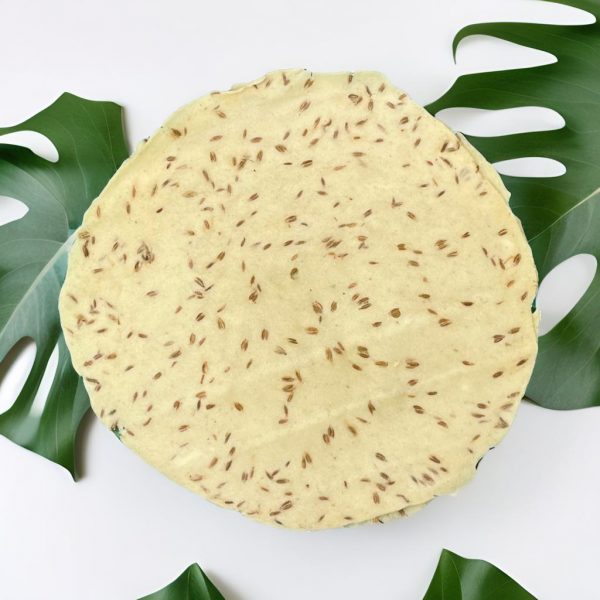
jeera-papad-
jeera-papad-amritsar
Jeera Papad – 250 gm
Original price was: ₹199.00.Current price is: ₹170.00. Add to cart
Sale
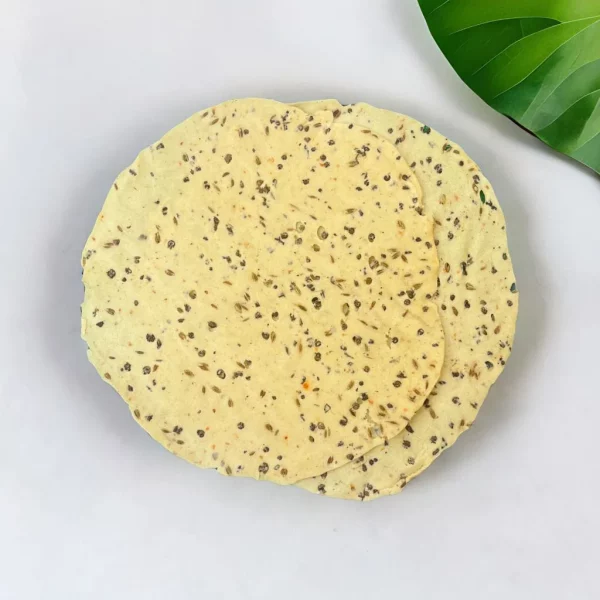
Medium Papad - 250 gm
medium papad amritsar
Medium Papad – 250 gm
Original price was: ₹199.00.Current price is: ₹170.00. Add to cart
Sale
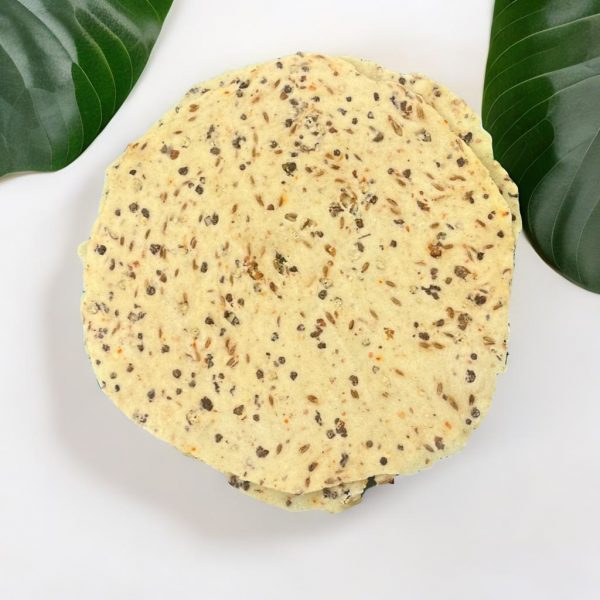
super spicy papad
super-super-papad
Super Spicy Papad – 250 gm
Original price was: ₹199.00.Current price is: ₹170.00. Add to cart

Section 1: Introduction and Basics

Q: What is the difference between a chickpea and a garbanzo bean?

A: There is absolutely no difference between a chickpea and a garbanzo bean; they are the same legume (Cicer arietinum). The term “chickpea” comes from the Latin word cicer, while “garbanzo” is the Spanish term for the bean. In the United States, you will often see cans labeled “Chickpeas (Garbanzo Beans)” to avoid confusion. There are two main varieties you might encounter: the Kabuli (larger, beige, smooth coat—most common in US grocery stores) and the Desi (smaller, darker, rougher coat—common in Indian cuisine).

Q: Why are chickpea garbanzos considered a superfood?

A: They are considered a superfood because of their incredible nutrient density. They provide a rare combination of high protein and high fiber, which aids in satiety and weight management. They also have a low Glycemic Index (GI), making them excellent for blood sugar regulation.


Section 2: Nutrition Facts and Calories

Q: How many calories are in chickpea garbanzo beans?

A: The calories in chickpea garbanzo beans vary depending on whether they are dried or cooked.

  • Cooked (Boiled, without salt): One cup (approx. 164g) contains roughly 269 calories.
  • Canned (Drained): One cup usually contains roughly 210 to 290 calories, depending on the brand and packing liquid.
  • Dried (Raw): One cup of dried chickpeas (which yields about 3 cups cooked) contains approximately 720 calories.

Q: What are the detailed Nutrition Facts for chickpeas?

A: Chickpea Garbanzo beans are a nutritional powerhouse. Here is the breakdown for 1 cup (164 grams) of boiled chickpeas:

  • Protein: 14.5 grams (Excellent source of plant-based protein)
  • Total Carbohydrates: 45 grams
    • Dietary Fiber: 12.5 grams (50% of the Daily Value)
    • Sugars: 8 grams
  • Fat: 4 grams (mostly polyunsaturated and monounsaturated)
  • Vitamins & Minerals:
    • Folate (Vitamin B9): 71% of the RDI (Crucial for DNA synthesis)
    • Manganese: 84% of the RDI (Vital for metabolism)
    • Copper: 29% of the RDI
    • Iron: 26% of the RDI (Important for red blood cells)
    • Phosphorus: 28% of the RDI
    • Magnesium: 20% of the RDI

Q: Are they a complete protein?

A: Not technically, as they are slightly low in methionine, an essential amino acid. However, when paired with whole grains (like rice, couscous, or whole wheat bread), they form a complete protein profile, making them a staple for vegetarians and vegans.


Section 3: How to Make (Cooking Methods)

Q: How do you prepare dried chickpea garbanzo beans?

A: Cooking dried beans yields a better texture and flavor than canned versions. Here is a step-by-step guide on how to make them:

Step 1: Sorting and Washing
Pour your dried beans onto a baking sheet. Pick out any small stones, shriveled beans, or debris. Rinse them thoroughly in a colander under cold water.

Step 2: The Soaking Process (Crucial for digestion and cooking time)

  • Overnight Soak (Recommended): Place beans in a large bowl and cover with water by 3–4 inches. Add a pinch of baking soda if you live in an area with hard water or want softer skins. Let sit for 8–12 hours. Drain and rinse.
  • Quick Soak: Put beans in a pot, cover with water, and bring to a boil. Boil for 2 minutes. Remove from heat, cover, and let sit for one hour. Drain and rinse.

Step 3: Cooking on the Stovetop

  1. Place soaked and rinsed beans in a large pot.
  2. Cover with water (about 2 inches above the beans).
  3. Bring to a boil, then reduce heat to a simmer. Skim off any foam that rises to the top.
  4. Cover with a lid slightly ajar.
  5. Cook for 45 to 90 minutes. The time varies heavily based on the age of the beans. Taste test a bean; it should be creamy all the way through, not chalky.
  6. Tip: Add salt only during the last 10 minutes of cooking to prevent the skins from toughening.

Q: How do you cook them in an Instant Pot (Pressure Cooker)?

A: This is the fastest way how to make chickpeas.

  1. Soaked Beans: Add 1 cup soaked beans and 3 cups water. High Pressure for 12–15 minutes. Natural release for 10 minutes.
  2. No-Soak (Dried) Beans: Add 1 cup washed dried beans and 3 cups water. High Pressure for 45–50 minutes. Natural release for 15 minutes.

Q: How do you make crispy roasted chickpeas?

A:

  1. Preheat oven to 400°F (200°C).
  2. Drain and rinse a can of chickpeas (or cooked beans) and dry them thoroughly with a towel (moisture is the enemy of crispiness).
  3. Toss with olive oil and salt.
  4. Roast for 20–30 minutes, shaking the pan halfway through.
  5. Toss with spices (cumin, paprika, garlic powder) after removing from the oven so the spices don’t burn.

Section 4: Best Use and Culinary Applications

Q: What is the best use for chickpea garbanzo beans?

A: The best use of chickpeas depends on the texture you desire. Their versatility allows them to be used in four main categories:

  1. Creamy Purees (Hummus):
    Because of their high starch content, chickpeas break down into a smooth, creamy paste when blended with tahini and oil. This is arguably the most famous use worldwide.
  2. Textured Protein in Curries and Stews:
    Unlike some beans that turn to mush, chickpeas hold their shape extremely well during long simmers. This makes them the best use for hardy dishes like Chana Masala or Mediterranean stews.
  3. Flour (Besan/Gram Flour):
    Dried chickpeas can be ground into a gluten-free flour used for batters (pakoras), flatbreads (socca), and sweets.
  4. Vegan Baking (Aquafaba):
    The liquid from a can of chickpeas (aquafaba) can be whipped like egg whites. It is the best use for vegan meringues, mousses, and mayonnaise.

Q: Can you eat them raw?

A: No. You should never eat raw, dried garbanzo beans. They are too hard to chew and contain anti-nutrients that can cause digestive distress. However, fresh green chickpeas (picked before drying) can be eaten raw or quickly steamed, similar to edamame.


Section 5: Best with Which Vegetables?

Q: Which vegetables pair best with chickpea garbanzo?

A: Chickpeas have a nutty, earthy flavor that pairs well with a wide spectrum of vegetables. Here are the top pairings:

  1. Leafy Greens (Spinach, Kale, Swiss Chard):
    • Why: The creaminess of the chickpea contrasts perfectly with the slightly bitter, mineral taste of greens.
    • Dish Idea: Sautéed garlic chickpeas with wilted spinach and lemon juice.
  2. Cruciferous Vegetables (Cauliflower, Broccoli):
    • Why: Both hold up well to roasting. Roasted cauliflower and chickpeas are a classic combination, especially when spiced with curry powder or turmeric.
  3. Root Vegetables (Sweet Potato, Carrots, Squash):
    • Why: The natural sweetness of root vegetables complements the nutty savory flavor of the chickpea garbanzo.
    • Dish Idea: Moroccan chickpea and sweet potato tagine.
  4. Nightshades (Tomatoes, Eggplant, Bell Peppers):
    • Why: The acidity of tomatoes cuts through the starchy density of chickpeas.
    • Dish Idea: Ratatouille with added chickpeas or a classic Chana Masala (chickpeas in spicy tomato gravy).
  5. Aromatics (Onions, Garlic):
    • Almost every chickpea dish starts with a base of sautéed onions and garlic.

Section 6: List of Chickpea Garbanzo Dishes

Q: What are the most popular chickpea garbanzo dishes from around the world?

A: Here is a curated list of chickpea garbanzo dishes that you must try:

  1. Hummus (Middle East):
    A spread made from blended chickpeas, tahini, lemon, garlic, and olive oil. It is eaten as a dip with pita bread or vegetables.
  2. Falafel (Middle East):
    Soaked (not cooked!) raw chickpeas are ground with herbs and spices, formed into balls, and deep-fried. The result is crispy on the outside and fluffy on the inside.
  3. Chana Masala (India):
    Perhaps the most famous Indian chickpea dish. It involves simmering chickpeas in a spicy, fragrant onion-tomato gravy with garam masala, coriander, and turmeric.
  4. Socca / Farinata (France/Italy):
    A savory unleavened pancake made from chickpea flour, water, and olive oil. It is baked in a wood-fired oven or cast-iron skillet until crispy.
  5. Chickpea Salad Sandwich (USA):
    A vegan alternative to tuna salad. Chickpeas are mashed with vegan mayo, celery, mustard, and onions.
  6. Leblebi (Turkey):
    A snack made of roasted chickpeas, common in Turkey and North Africa. They can be plain, salted, or coated in sugar.
  7. Pasta e Ceci (Italy):
    A comforting Roman pasta stew featuring ditalini pasta and chickpeas in a rosemary-tomato broth.
  8. Cocido Madrileño (Spain):
    A traditional chickpea-based stew featuring meat (chorizo, pork belly) and vegetables, served in multiple courses.
  9. Aquafaba Mousse (Vegan Global):
    A dessert mousse made by whipping the chickpea liquid with chocolate and sugar.
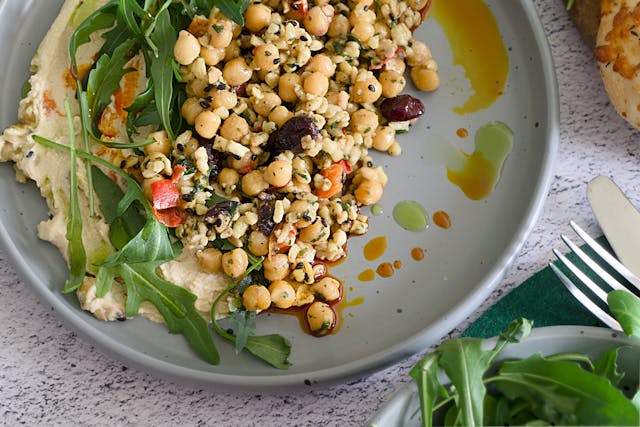
  10. Balela Salad (Middle East):
    A zesty salad consisting of chickpeas, black beans, tomatoes, fresh herbs, and a lemon-garlic dressing.

Section 7: Detailed Recipe Guide

To ensure you get the most out of your beans, here is a deep dive into three essential recipes.

Recipe 1: Basic Creamy Hummus

This utilizes the best use of the bean’s starchy nature.

  • Ingredients:
    • 1.5 cups cooked chickpea garbanzo beans (or 1 can, drained).
    • 1/2 cup tahini (sesame paste).
    • 1/4 cup fresh lemon juice.
    • 1 small garlic clove (minced).
    • 2 tbsp ice-cold water (essential for fluffiness).
    • 1/2 tsp cumin.
    • Salt to taste.
  • Instructions:
    1. In a food processor, blend the tahini and lemon juice for 1 minute until creamy.
    2. Add garlic, cumin, and salt. Blend for 30 seconds.
    3. Add the chickpeas. Blend for 1 minute.
    4. With the motor running, drizzle in the ice water. Blend until the hummus is ultra-smooth.
    5. Serve topped with olive oil and paprika.

Recipe 2: Mediterranean Chickpea Salad

This highlights the Nutrition Facts by keeping the ingredients fresh and raw.

  • Ingredients:
    • 2 cups cooked chickpeas.
    • 1 English cucumber, diced.
    • 1 red bell pepper, diced.
    • 1/2 red onion, finely chopped.
    • 1/2 cup crumbled feta cheese.
    • 1/4 cup chopped fresh parsley.
    • Dressing: Olive oil, red wine vinegar, dried oregano, salt, pepper.
  • Instructions:
    1. Combine all chopped vegetables and chickpeas in a large bowl.
    2. Whisk the dressing ingredients together.
    3. Pour over the salad and toss gently.
    4. Let sit for 20 minutes before serving to allow flavors to meld.

Recipe 3: Roasted Chickpea & Vegetable Sheet Pan

A perfect answer to “Best with which vegetables?”

  • Ingredients:
    • 1 can chickpeas, drained and dried.
    • 2 cups broccoli florets.
    • 1 sweet potato, cubed.
    • 1 red onion, sliced wedges.
    • 2 tbsp olive oil.
    • 1 tsp turmeric, 1 tsp cumin, 1 tsp chili powder.
  • Instructions:
    1. Preheat oven to 400°F (200°C).
    2. Place veggies and chickpeas on a large baking sheet.
    3. Drizzle with oil and sprinkle spices. Toss with hands to coat.
    4. Spread in a single layer.
    5. Roast for 25–30 minutes until sweet potatoes are tender and chickpeas are crispy.
    6. Serve over quinoa or rice.

Section 8: Frequently Asked Questions (FAQs)

Q: Does eating chickpea garbanzo beans cause gas?

A: Yes, like all legumes, they contain complex sugars called oligosaccharides that the human body cannot fully digest. When these reach the large intestine, bacteria ferment them, producing gas.

  • Solution: To reduce this, soak dried beans for a longer period, rinse canned beans thoroughly, and introduce them into your diet slowly to let your gut biome adjust. Adding kombu (seaweed) or bay leaves during boiling can also help reduce gas-causing properties.

Q: How should I store cooked chickpeas?

A:

  • Fridge: Store in an airtight container for 3 to 5 days.
  • Freezer: Chickpeas freeze excellently. Pat them dry, spread them on a tray to freeze individually (so they don’t clump), then transfer to a freezer bag. They last for up to 6 months.

Q: Is chickpea flour Keto-friendly?

A: Generally, no. While chickpeas have a lower glycemic index than wheat flour, they are still high in carbohydrates (approx 45g net carbs per cup). They are not suitable for a strict Keto diet, though they are great for “Slow Carb” or low-GI diets.

Q: What is the difference between canned and dried regarding nutrition?

A: The main difference is sodium content. Canned chickpeas often come in salted water, raising the sodium levels significantly (sometimes over 400mg per serving). Draining and rinsing removes about 40% of this sodium. Dried chickpeas cooked at home have almost zero sodium unless you add salt. Nutrient-wise (protein, fiber), they are very similar.


Section 9: Conclusion

Whether you are looking to boost your protein intake, add fiber to your diet, or simply enjoy a delicious meal, the chickpea garbanzo is an essential pantry staple. Understanding how to make them properly—by soaking dried beans or properly roasting canned ones—unlocks a world of culinary potential.

From the rich Nutrition Facts that support heart health to the vast array of chickpea garbanzo dishes like Hummus and Chana Masala, this legume offers something for everyone. Remember to pair them with the best vegetables like spinach, sweet potatoes, and tomatoes to create balanced, nutrient-dense meals. With the calories in chickpea garbanzo being moderate and highly satiating, they are indeed a perfect food for a healthy lifestyle.

-->