0
-
An empty cart
You have no item in your shopping cart

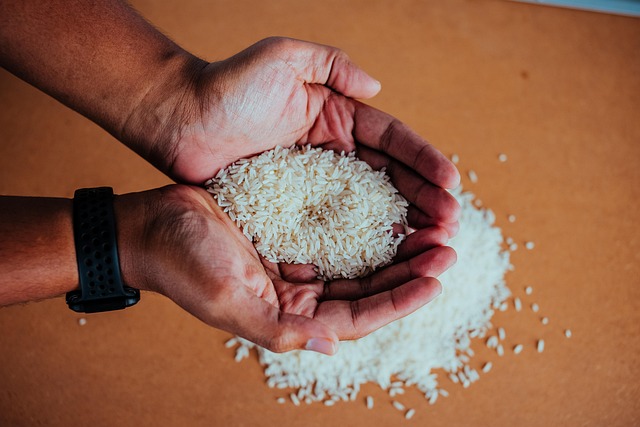
Rice is the staple food for more than half of the world’s population, but in recent decades, a shift has occurred. As health consciousness rises, the pristine white grain is increasingly being swapped for its rustic, nutty counterpart: brown rice. While it may seem like a simple pantry staple, brown rice is a complex ingredient with a rich history, significant health benefits, and specific cooking requirements that can intimidate the uninitiated.
Below is an extensive guide, presented in a Question-and-Answer format, covering everything from cooking brown rice on stove tops to its historical significance and nutritional superiority.
To understand brown rice, one must first understand the anatomy of a rice grain. All rice, when harvested, is technically “brown” (or other earthy colors like red or black). A whole grain of rice consists of three parts:
Brown rice is simply the whole grain with only the inedible outer hull (husk) removed. The bran and germ remain intact. White rice, conversely, is milled to remove the bran and germ, leaving only the starch.
The history of brown rice is effectively the history of rice itself, which dates back nearly 10,000 years to the Pearl River valley in China. For millennia, everyone ate brown rice because the technology to fully polish rice did not exist. However, as milling tools improved, white rice became a status symbol. In ancient Asian cultures, the wealthy ate polished white rice, while the poor ate brown rice.
Interestingly, this class distinction led to a medical mystery in the 19th century. Wealthy populations in Asia began suffering from a disease called Beriberi (caused by Vitamin B1/Thiamine deficiency). It was eventually discovered that the polishing process removed the thiamine found in the bran. Brown rice was the cure. Today, the script has flipped; brown rice is often viewed as a premium health food in Western nations, valued for the very nutrients that were once stripped away to signify wealth.
The debate of why is brown rice better than white rice comes down to nutritional density and how the body processes carbohydrates.
1. Nutritional Profile:
Because brown rice retains the bran and germ, it is a powerhouse of nutrients. It contains high levels of manganese (vital for bone development and metabolism), selenium, magnesium, and B vitamins. White rice loses the vast majority of these nutrients during the milling process. While some white rice is “enriched” (nutrients sprayed back on), it lacks the natural fiber balance of the whole grain.
2. Fiber and Digestion:
The most significant difference is fiber. Brown rice provides substantial dietary fiber, which aids in digestion and promotes a feeling of fullness. This makes it an excellent tool for weight management, as you are likely to eat less brown rice to feel satisfied compared to white rice.
3. Glycemic Index (GI):
This is a crucial factor for diabetics or those monitoring blood sugar. White rice is a high-glycemic food; it is digested quickly, causing a rapid spike in blood sugar. Brown rice has a medium GI (around 50-55). The fiber acts as a physical barrier, slowing down the conversion of starch into sugar. This leads to a steady release of energy rather than a spike and crash, making brown rice a metabolically superior choice.
4. Heart Health:
Studies suggest that the lignans found in whole grains like brown rice can help lower cholesterol levels and blood pressure, reducing the risk of heart disease.
Yes, does brown rice take longer to cook is a common query, and the answer is a definitive yes.
White rice is essentially naked starch. Hot water penetrates it easily, and it typically cooks in 15 to 20 minutes. Brown rice, however, is encased in the bran layer. This fibrous outer coating is tough and acts as a shield, preventing water from reaching the starchy center quickly.
Consequently, brown rice requires more water and more time to break down that fiber and soften the grain. While white rice is a “quick fix,” brown rice requires patience, typically taking between 30 to 50 minutes depending on the method and the specific variety of grain (short-grain vs. long-grain).
Before jumping into specific methods like the stove or cooker, there are general rules on how to cook brown rice to ensure it isn’t gummy or crunchy.
1. Rinsing is Non-Negotiable:
You must rinse brown rice under cold water until the water runs clear. Although it has less surface starch than white rice, rinsing removes dust, debris, and excess starch that can make the rice clump together.
2. The Soak (Optional but Recommended):
If you want to reduce the cooking time and make the rice softer/fluffier, soak the brown rice in water for 30 minutes to an hour before cooking. This begins the hydration process before the heat is applied.
3. The Water Ratio:
This is where most people fail. Because it cooks longer, evaporation is higher.
Cooking brown rice on stove is the most traditional method and gives you the most control over the texture. Here is the step-by-step “Absorption Method”:
Ingredients:
Instructions:
Alternative Stove Method: The Pasta Method
If you struggle with ratios, you can cook brown rice like pasta.
Using a gadget simplifies the process, but how long does brown rice take to cook in a rice cooker varies by machine.
Standard Rice Cookers (One Button):
In a basic “on/off” rice cooker, brown rice typically takes 45 to 50 minutes.
Advanced Rice Cookers (Fuzzy Logic/Digital):
Modern cookers (like Zojirushi or Panasonic) often have a dedicated “Brown Rice” setting.
Instant Pot / Pressure Cooker:
If speed is the goal:
When shopping, you will see more than just “brown rice.” The brown rice food list includes several distinct varieties, each with unique textures and culinary uses.
1. Long-Grain Brown Rice:
2. Medium-Grain Brown Rice:
3. Short-Grain Brown Rice:
4. Germinated Brown Rice (GABA Rice):
5. Brown Jasmine Rice:
Because brown rice has a distinct, earthy, nutty flavor (unlike the neutral taste of white rice), it pairs exceptionally well with robust flavors. Knowing best with which vegetables to serve it can elevate your meal.
1. Roasted Root Vegetables:
The earthiness of brown rice mirrors the earthiness of root veg.
2. Cruciferous Vegetables:
These vegetables have a strong structure that stands up to the chewiness of brown rice.
3. Earthy Mushrooms:
This is perhaps the best pairing. The savory (umami) flavor of mushrooms complements the nuttiness of the grain.
4. Legumes (The Complete Protein):
Combining brown rice with beans creates a complete protein (containing all nine essential amino acids).
5. Stir-Fry Veggies:
Brown rice holds its shape better than white rice in a wok.
Even when following instructions on how to cook brown rice, issues can arise.
Because brown rice contains natural oils in the germ, it can go rancid faster than white rice if stored purely as raw grain.
While we discussed why is brown rice better than white rice, there is a caveat.
Switching to brown rice is one of the easiest, most impactful dietary changes one can make. While cooking brown rice on stove requires a bit more time and attention than instant white rice, the payoff is immense. You get a grain that actually tastes like food—nutty, chewy, and satisfying—rather than just a vehicle for sauce.
Whether you are using a high-tech machine and asking how long does brown rice take to cook in a rice cooker, or simply boiling it in a pot, the versatility of this grain is unmatched. From the brown rice food list of varieties like Basmati and Jasmine to the endless combinations of best with which vegetables, brown rice offers a culinary adventure that is as good for your palate as it is for your body.
So, the next time you are meal prepping, skip the white rice. Rinse some brown rice, set it to simmer, and enjoy the wholesome history and health benefits in every bite.