The Ultimate Guide to Poha Calories, Nutrition, and Preparation
Section 1: Introduction to Poha
Q: About Poha: What makes it a popular breakfast choice?
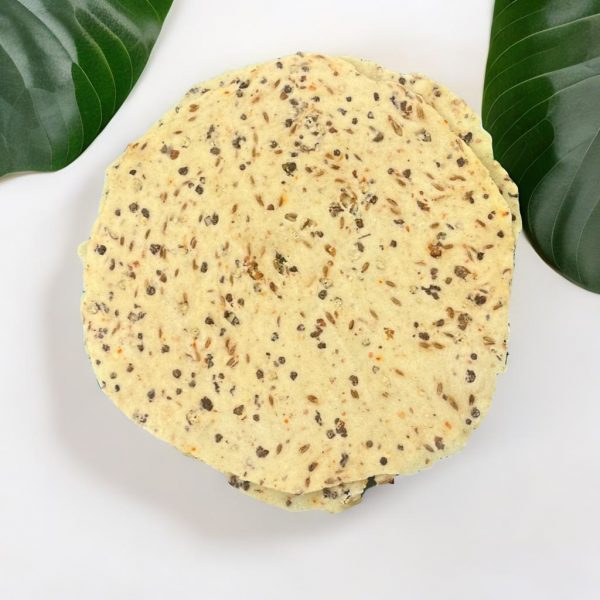
Poha, a staple in Indian households, is celebrated not just for its ease of cooking but for its light texture and digestive benefits. Originating from the Indian subcontinent, it is essentially rice that has been parboiled, rolled, flattened, and dried to produce flakes. The flakes come in different thicknesses, which determine how they are used in cooking.
Unlike processed cereals, poha is minimally processed and undergoes fermentation during the soaking steps of production, which retains the microbial flora, making it surprisingly good for gut health. It is often the go-to breakfast for weight watchers because it keeps you full without the heaviness associated with wheat-based products. Whether you are eating it as a quick snack or a full meal, understanding the calories in poha is essential for dietary management.
Section 2: Definitions and Terminology
Q: What is Poha Rice?
Poha rice refers to the raw ingredient before it is cooked into a dish. It is made from paddy (rice with the husk). The rice is parboiled, dried, and then beaten into flakes. Because the husk is removed during the flattening process but the germ and bran are often partially retained, poha rice is considered healthier than fully polished white rice. It absorbs liquids (water, milk, or curds) easily, swelling up and becoming soft.
Q: What is Flat Poha?
Flat poha is simply a literal description of the ingredient. The rice grains are pressed flat to increase their surface area. This flattening process allows the poha to cook almost instantly. Flat poha can range from “Nylon Poha” (paper-thin, used for chivda/snacks) to “Thick Poha” (used for the traditional breakfast dish).
Q: What is Avalakki?
Avalakki is the regional name for poha in the Kannada language (spoken in Karnataka, India). If you are looking for recipes from South India, you will often search for “Avalakki recipes.” In this region, Avalakki is often prepared with tamarind (Gojju Avalakki) or curds (Mosaru Avalakki), offering a different caloric profile compared to the potato-based North Indian versions.
Q: What is Beaten Rice Poha?
Beaten rice poha is the English translation often used in international markets. It describes the mechanical process the grain undergoes. The rice is literally “beaten” or pressed by heavy rollers. If you are shopping in a Western supermarket or an Asian grocery store outside of India, you will likely find it labeled as Beaten Rice.
Q: What is Flattened Rice?
Flattened rice is the most common technical term for poha. It describes the physical state of the grain. It is dehusked rice which is flattened into flat, light, dry flakes. This form of rice swells when added to liquid, whether hot or cold, as it absorbs water, milk, or other liquids.
Section 3: Poha Calorie Chart (The 1 to 10 Scale)
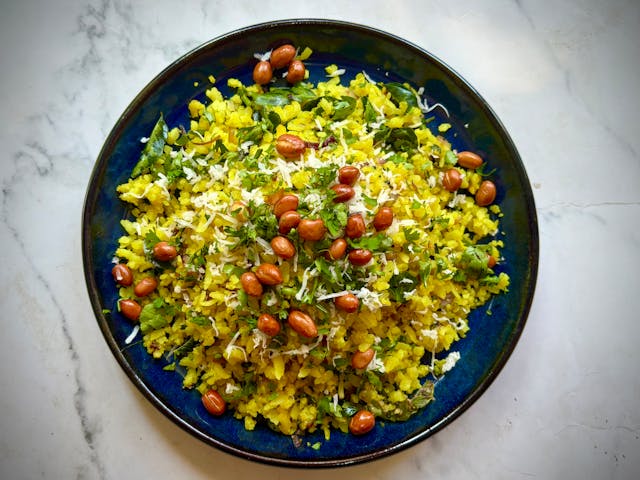
Note: The following calorie counts are estimates based on a standard cooked Poha recipe (Kanda Batata Poha) containing onions, potatoes, minimal oil, mustard seeds, and peanuts.
Standard Metric: 100 grams of cooked poha contains approximately 160 Calories.
Q: Calories in 1 bowl, cup or 100 gm?
If you consume a small portion, roughly 1 bowl or 100 gm of cooked poha, you are consuming approximately 160 Calories.
- Context: This is considered a light snack portion. It is perfect for a mid-day craving or a very light breakfast.
- Nutritional Highlight: This portion provides a quick burst of energy (carbohydrates) without weighing you down.
Q: Calories in 2 bowls, cup or 200 gm?
A standard adult serving usually equates to 2 bowls or 200 gm. This amount contains approximately 320 Calories.
- Context: This is the ideal breakfast serving size for an average adult. It provides enough satiety to last until lunch.
- Diet Tip: To keep the calories lower at this quantity, reduce the potatoes and increase green vegetables like peas or beans.
Q: Calories in 3 bowls, cup or 300 gm?
For a heavy eater or a brunch meal, 3 bowls or 300 gm of poha will yield approximately 480 Calories.
- Context: This approaches the calorie count of a full lunch or dinner.
- Burn it off: You would need to walk for about 60 to 70 minutes to burn off this amount of energy.
Q: Calories in 4 bowls, cup or 400 gm?
Consuming 4 bowls or 400 gm results in approximately 640 Calories.
- Context: This is a very large portion for one person and is likely a serving for two people or a very high-calorie surplus meal.
- Warning: Eating this much rice-based carb in one sitting can spike insulin levels.
Q: Calories in 5 bowls, cup or 500 gm?
5 bowls or 500 gm (half a kilogram) of cooked poha contains approximately 800 Calories.
- Context: This is a family-sized serving (serves 2 to 3 people).
- Comparison: This is roughly equivalent to the calories in a large cheese pizza or two large burgers.
Q: Calories in 6 bowls, cup or 600 gm?
At 6 bowls or 600 gm, the calorie count rises to approximately 960 Calories.
- Context: This quantity is suitable for a small potluck dish or a breakfast for a family of three.
Q: Calories in 7 bowls, cup or 700 gm?
7 bowls or 700 gm of poha provides approximately 1120 Calories.
- Context: This is a party-sized portion. If consumed by one person, it exceeds half the daily recommended intake for an average adult.
Q: Calories in 8 bowls, cup or 800 gm?
8 bowls or 800 gm equates to approximately 1280 Calories.
- Context: Suitable for a family of four.
Q: Calories in 9 bowls, cup or 900 gm?
9 bowls or 900 gm contains approximately 1440 Calories.
- Context: Large batch cooking for guests.
Q: Calories in 10 bowls, cup or 1kg?
10 bowls or 1kg of cooked poha totals approximately 1600 Calories.
- Context: This is a bulk amount, usually cooked for gatherings.
- Nutrition Note: While 1600 calories seems high, remember that 1kg of food is a massive volume. Poha is voluminous; 1kg of cooked poha looks like a mountain of food compared to 1kg of cooked dense pasta.
Section 4: Nutrition in Poha
Q: What is the general Nutrition in Poha?
Nutrition in poha is quite impressive for a rice-based dish. Here is a breakdown of the nutrients found in raw poha (per 100g) and how they translate to health benefits:
- Carbohydrates (approx. 76g): Poha is a good source of healthy carbohydrates. It provides instant energy. The starch in poha is also considered a probiotic which helps digestive health.
- Iron (approx. 20mg): This is the standout nutrient. During the process of making flattened rice, the rice passes through iron rollers. The friction retains some of the iron, making poha one of the best vegetarian sources of iron. This is excellent for people with anemia.
- Protein (approx. 6-7g): While not a high-protein food like eggs or paneer, it contains a decent amount of plant protein. This can be enhanced by adding peanuts or sprouting beans.
- Fat (approx. 1g): Raw poha is naturally very low in fat. The fat content in the final dish comes primarily from the oil, peanuts, or coconut added during cooking.
- Vitamin B: Poha is rich in Vitamin B1, which helps in stabilizing blood sugar.
Q: Is Poha good for weight loss?
Yes, poha is excellent for weight loss if cooked correctly.
- Low Gluten: It is very low in gluten (often gluten-free depending on processing facilities), making it lighter on the stomach than wheat.
- Probiotic: The fermentation process makes it easy to digest.
- Customizable: You can double the volume of your meal by adding low-calorie vegetables without adding significant fat.
Section 5: Varieties of Poha
Q: What is the List of Poha varieties available?
There isn’t just one type of poha. Choosing the right one affects your calorie intake and cooking method:
- Thick Poha (Jada Poha): This is the most common variety used for making Kanda Poha (onion poha) or Batata Poha (potato poha). It absorbs water well without turning into mush.
- Thin Poha (Patla Poha): This is paper-thin. It is NOT soaked in water. Instead, it is usually roasted to make Chivda (a dry snack mixture) or Dadpe Poha (a raw, spiced salad).
- Red Poha: Made from red rice. It has a coarser texture and a nuttier flavor. Red Poha is nutritionally superior as it contains more fiber and antioxidants (anthocyanins) than white poha.
- Medium Poha: A balance between thick and thin, often used for curds poha (Avalakki).
Section 6: How to Make Poha (Step-by-Step)
Q: How to make healthy Poha?
Here is a recipe for a standard vegetable poha that balances flavor and nutrition.
Ingredients:
- Thick Poha: 2 cups (approx. 150g)
- Oil: 1 tablespoon (keep it low for weight loss)
- Mustard Seeds: 1 teaspoon
- Cumin Seeds: ½ teaspoon
- Curry Leaves: A sprig
- Green Chilies: 2-3 (slit)
- Onion: 1 medium (chopped finely)
- Turmeric Powder: ½ teaspoon
- Salt: To taste
- Sugar: ½ teaspoon (optional, for taste balance)
- Lemon Juice: 1 teaspoon
- Coriander Leaves: For garnish
Instructions:
- Rinse: Place the thick poha in a colander or sieve. Gently rinse it under running water for 30 seconds. Do not soak it in a bowl of water, or it will become mushy. Let it drain.
- Temper: Heat oil in a pan (kadhai). Add mustard seeds. When they splutter, add cumin seeds, curry leaves, and green chilies.
- Sauté: Add the chopped onions. Sauté until they turn translucent. If you are using potatoes or other veggies, add them now and cover the pan to steam-cook them until soft.
- Spice: Add turmeric powder and salt to the onion mixture.
- Mix: Add the rinsed, drained poha to the pan. Gently toss everything together. Be careful not to break the flakes.
- Steam: Sprinkle a few drops of water, cover the pan with a lid, and let it steam on very low heat for 2-3 minutes. This makes the poha soft and fluffy.
- Finish: Turn off the heat. Add sugar (if using), lemon juice, and fresh coriander leaves. Mix gently.
Section 7: Vegetable Pairings
Q: Best with which vegetables?
To maximize the nutritional value and volume of your poha without adding excessive calories, pairing it with the right vegetables is crucial. Here are the best options:
- Green Peas: Adds protein and fiber. The sweetness of peas contrasts well with the spicy green chilies.
- Carrots: Finely chopped carrots add crunch and Vitamin A.
- Potatoes: The classic partner. However, potatoes are high in carbs. If you are watching your poha calories, reduce the potatoes or swap them for sweet potatoes.
- Cauliflower: Finely grated cauliflower blends in perfectly and adds bulk with very few calories.
- French Beans: Chopped beans add a nice crunch and essential vitamins.
- Sprouts: Adding steamed moong sprouts turns poha into a protein-rich post-workout meal.
Section 8: Detailed Nutritional Breakdown & FAQs
Q: How do Poha calories compare to Rice and Roti?
Many people ask if they should switch to poha from rice or roti.
- Cooked White Rice (1 bowl): ~130-150 Calories. However, rice is usually eaten with dal or curry, which increases the total calories. Rice is also higher in Glycemic Index (GI).
- Wheat Roti (1 medium): ~100-120 Calories. Roti is dense and takes longer to digest.
- Poha (1 bowl): ~160 Calories. While the calorie count is similar to rice, poha is generally considered better because it is usually cooked with vegetables (fiber) and peanuts (protein), making it a more balanced “one-pot meal” than plain rice. The fermentation process also gives it a lower Glycemic load than plain white rice.
Q: Can Diabetics eat Poha?
Yes, but with caution. Poha is rice-based, so it is a high-carb food. However, it is better than white rice. To make it diabetic-friendly:
- Use Red Poha instead of white (higher fiber).
- Double the amount of vegetables (beans, capsicum, peas) to lower the overall Glycemic Index of the meal.
- Add protein like peanuts, sprouts, or serve with a side of egg whites to slow down sugar absorption.
- Avoid adding sugar and potatoes.
Q: Is Poha gluten-free?
Naturally, rice is gluten-free. Therefore, poha is gluten-free. However, some commercially packaged poha might be processed in factories that handle wheat (suji/rava). If you have Celiac disease, always check the package for a “Gluten-Free” certification. For general gluten sensitivity, poha is a safe and excellent alternative to oats or wheat flakes.
Q: Why is lemon added to Poha?
Lemon isn’t just for taste! Poha is rich in Iron. However, plant-based iron (non-heme iron) is harder for the body to absorb. Vitamin C helps the body absorb iron. Squeezing lemon juice (rich in Vitamin C) over your poha significantly increases the amount of iron your body absorbs from the meal.
Section 9: Regional Poha Variations and Calorie Implications
Q: How do regional recipes affect calories?
The way you cook poha changes the calories in poha significantly.
- Maharashtrian Kanda Poha: Moderate Calories. Uses onions and peanuts.
- Indori Poha: High Calories. Famous in Indore, this version is topped with copious amounts of Sev (fried gram flour noodles), Jeeravan masala, and sometimes even pomegranate. The added Sev increases the fat and calorie count drastically.
- Dadpe Poha: Low Calories. This uses raw thin poha mixed with fresh coconut, onions, and lime. Since it isn’t fried in oil (only a small tempering is added), it retains a very fresh, salad-like profile.
- Tamarind Poha (Gojju Avalakki): Moderate to High Calories. This South Indian version uses a tamarind-jaggery paste. The added jaggery increases the sugar content.
- Curd Poha (Mosaru Avalakki): Variable. If made with Greek yogurt or low-fat curd, it is a high-protein, cooling meal. If made with full-fat cream and tempered with lots of oil, the calories increase.
Section 10: Tips for Reducing Poha Calories
Q: How can I make low-calorie Poha?
If you are strictly counting calories (e.g., aiming for 1200 a day), here is how to hack your poha:
- Measure the Oil: Do not pour oil directly from the bottle. Use a teaspoon. 1 teaspoon is enough for 1 cup of dry poha.
- Skip the Potatoes: Potatoes are pure starch. Replace them with zucchini or cucumber chunks.
- Steam, don’t Fry: Sauté veggies in water or broth instead of oil.
- Watch the Peanuts: Peanuts are healthy fats but very calorie-dense. Limit to 5-6 peanuts per serving, or swap them for roasted chana (chickpeas) which are lower in fat.
- Increase Volume: Use 50% poha and 50% mixed vegetables. This drastically lowers the calorie density of your bowl.
Conclusion
Understanding poha calories allows you to enjoy this delicious, traditional superfood without guilt. Whether you are eating 1 bowl for a snack or 2 bowls for a meal, flattened rice offers a nutritious blend of carbohydrates, iron, and B vitamins. By choosing the right variety—like red poha—and loading it with the best vegetables, you can transform a simple beaten rice poha dish into a powerhouse of nutrition suitable for weight loss and general well-being.
Remember, the key to the calories in 100 gm or 1kg lies not just in the grain, but in how you choose to cook it