calories in tea with milk and sugar

calories in tea with milk and sugar

The Complete Guide to Calories in Tea with Milk and Sugar

Tea is the second most consumed beverage in the world, surpassed only by water. While plain tea is virtually calorie-free, the caloric density changes significantly once we start adding dairy and sweeteners. Whether you are counting macros, looking to reduce your sugar intake, or simply curious about your morning brew, understanding the calories in tea with milk and sugar is essential for a balanced diet.

Sale
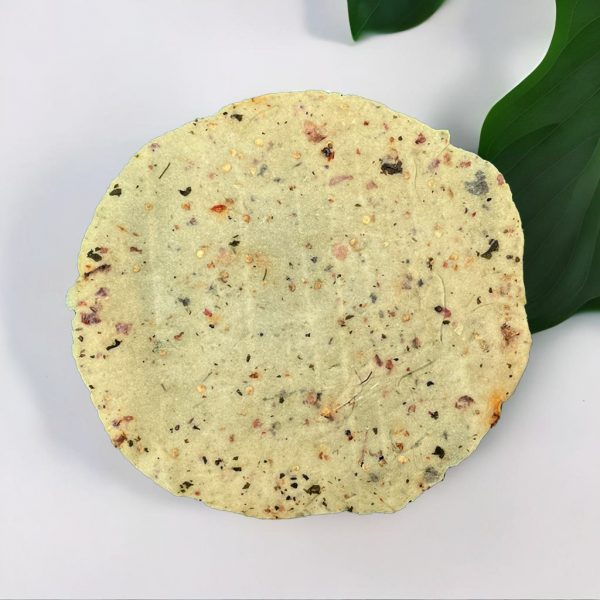
garlic-papad
garlic-papad-amritsar-model
Garlic Papad – 250 gm
Original price was: ₹200.00.Current price is: ₹180.00. Add to cart
Sale
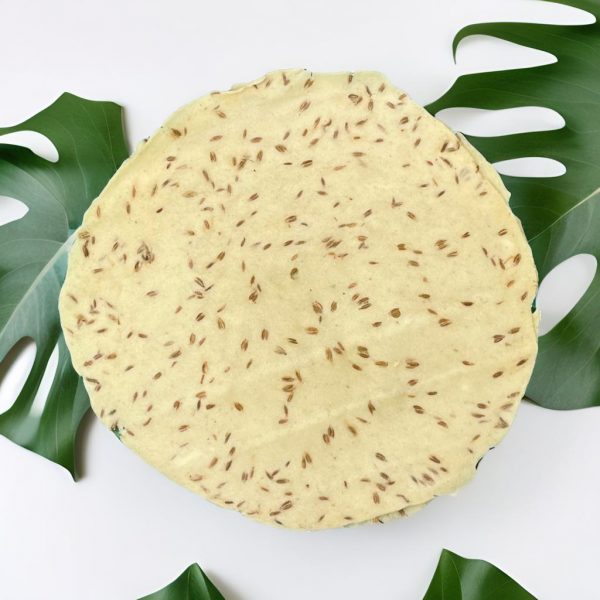
jeera-papad-
jeera-papad-amritsar
Jeera Papad – 250 gm
Original price was: ₹200.00.Current price is: ₹180.00. Add to cart
Sale
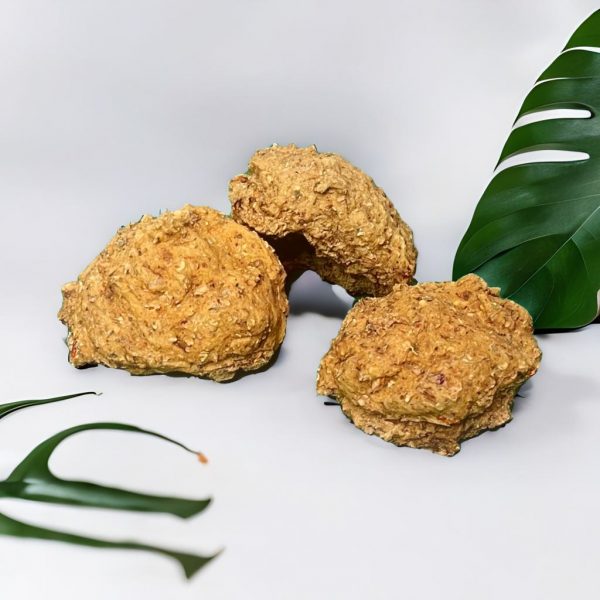
Super Spicy Wadiyan - 250 gm
super-spicy-wadiya-amritsari.
Super Spicy Wadiyan – 250 gm
Original price was: ₹200.00.Current price is: ₹180.00. Add to cart

Below, we answer the most pressing questions regarding the nutritional content, history, and preparation of this beloved beverage.


Q: Exactly how many calories are in tea with milk and sugar?

The answer depends entirely on the ratios you use. Plain black tea contains about 2 calories per cup. The calories come almost entirely from the additions. To give you a precise answer, we must break down the ingredients.

The Standard Cup:
A “standard” homemade cup of tea usually consists of:

  • 240ml (8oz) of Black Tea: 2 calories
  • 30ml (1 oz) of Whole Milk: 19 calories
  • 1 Teaspoon (4g) of White Sugar: 16 calories
  • Total: 37 calories

However, many people prefer a “milky” tea or a “sweet” tea. Let’s look at how the numbers jump:

  • Two Sugars: Adding a second teaspoon brings the total to 53 calories.
  • Milky Tea: Increasing the milk to 60ml (2 oz) raises the milk calories to 38, making the total 56 calories (with 1 sugar).
  • Rich & Sweet: If you use 60ml of whole milk and 2 teaspoons of sugar, your cup of tea contains roughly 70 calories.

Milk Variations:
The type of milk you choose plays a massive role in the Nutrition Facts:

  • Skim Milk (30ml): 10 calories.
  • Semi-Skimmed (2%): 15 calories.
  • Whole Milk: 19 calories.
  • Cream/Half-and-Half: 39 calories.
  • Oat Milk: ~15-20 calories (varies by brand/sugar content).
  • Almond Milk (Unsweetened): ~4-5 calories.

Summary: A typical cup of tea with a splash of milk and one sugar is a low-calorie drink (under 40 calories), but a large mug with generous whole milk and multiple sugars can easily exceed 100 calories, similar to a light snack.


Q: What are the detailed Nutrition Facts for a cup of tea?

When we look at the Nutrition Facts for a standard cup (1 tsp sugar, 30ml whole milk), the profile is relatively modest but worth noting for those tracking insulin or fat intake.

Macronutrients:

  • Carbohydrates: Roughly 5.5 grams. 4 grams come directly from the added sugar (sucrose), and 1.5 grams come from the lactose (natural sugar) in the milk.
  • Fat: Roughly 1 gram (from whole milk). If you use skim milk, this drops to nearly zero.
  • Protein: Roughly 1 gram (provided by the milk).
  • Sodium: 10-15mg (negligible).

Micronutrients:
Tea itself is rich in antioxidants, specifically polyphenols and catechins.

  • Flavonoids: Black tea is a great source of theaflavins, which are linked to heart health.
  • Calcium: Even a splash of milk adds a small amount of calcium and Vitamin D to your diet.
  • Caffeine: A standard cup of black tea contains between 40mg and 70mg of caffeine, which provides a mental boost without the jitters often associated with coffee.

Important Note on Nutrient Absorption:
Some studies suggest that the casein protein found in milk might bind to the tea’s antioxidants (catechins), potentially reducing their effectiveness. However, the difference is generally considered minimal for the average drinker. If your primary goal is antioxidant absorption, drink plain green tea. If your goal is comfort and energy, calories in tea with milk and sugar are a worthy trade-off.


Q: What is the Tea History behind adding milk and sugar?

The tea history of adding milk and sugar is a fascinating blend of economics, class structure, and physics.

Why Milk?
The British habit of adding milk to tea dates back to the 17th and 18th centuries. At the time, fine china cups were imported from China. However, many British people used lower-quality porcelain cups that could crack from the sudden heat of boiling water. To prevent the cups from shattering, they would pour cold milk in first to lower the temperature of the vessel before adding the hot tea. This eventually became a matter of taste rather than just utility.

Why Sugar?
Sugar was a luxury item in the 17th century. As the British Empire expanded its trade routes, sugar became more accessible but remained a status symbol. Adding sugar to tea was a way to display wealth. By the 19th century, sugar prices dropped, and the sweetened brew became the fuel of the industrial revolution, providing quick energy (calories) to factory workers.

Global Variations:

  • India: This evolved into Masala Chai, where tea is boiled with the milk and sugar (and spices) rather than adding them later. This method creates a creamier, calorie-dense drink.
  • Tibet: Butter tea (Po Cha) uses yak butter and salt, a stark contrast to the western milk-and-sugar preference.
  • Hong Kong: “Silk Stocking” milk tea uses evaporated or condensed milk, significantly increasing the calories in tea with milk and sugar compared to fresh milk versions.

Q: Can you provide a list of tea types that are best with milk and sugar?

Not every tea handles the weight of milk and the sweetness of sugar well. Delicate teas can be overpowered. Here is a curated list of tea varieties that are robust enough to shine through dairy and sweeteners.

  1. Assam Black Tea:
    • Profile: Malty, strong, and bold.
    • Why: This is the backbone of “Breakfast” blends. It has a high tannin content that creates a rich color and strong flavor that milk softens perfectly.
  2. Ceylon Black Tea:
    • Profile: Citrusy, crisp, and full-bodied.
    • Why: Sri Lankan tea retains its bright flavor profile even when sweetened.
  3. Earl Grey:
    • Profile: Black tea flavored with oil of bergamot (a citrus fruit).
    • Why: While traditionalists drink it black, the “London Fog” (Earl Grey with steamed milk and vanilla syrup) is incredibly popular. The creaminess cuts the acidity of the citrus.
  4. English Breakfast / Irish Breakfast:
    • Profile: A blend of Assam, Ceylon, and Kenyan teas.
    • Why: These are engineered specifically to be drunk with milk and sugar. They are the best use for a morning energy boost.
  5. Masala Chai:
    • Profile: Spiced black tea (cardamom, ginger, cinnamon).
    • Why: Sugar amplifies the spices, and milk acts as a carrier for the fat-soluble flavor compounds.
  6. Matcha (Green Tea Powder):
    • Profile: Grassy, umami, vegetable.
    • Why: Unlike leaf green tea (which curdles milk sometimes), Matcha lattes with milk and sugar are a global phenomenon.

Teas to Avoid with Milk:

  • White Tea (Too delicate).
  • First Flush Darjeeling (Too floral; milk ruins the complexity).
  • Oolong (Usually best enjoyed neat).

Q: How to make a tea with milk and sugar perfectly?

Knowing how to make a tea properly ensures you get the most flavor out of the leaves before you alter the chemistry with additives.

The “British Style” Method (Cup Brewing):

  1. Boil the Water:
    Use fresh, cold water. Re-boiling old water reduces oxygen and makes the tea taste flat. Bring it to a rolling boil (100°C / 212°F) for black tea.
  2. Warm the Pot/Cup:
    Swirl a little hot water in your mug or teapot and dump it out. This prevents the temperature from dropping too fast.
  3. Add the Tea:
    Place one tea bag or 1 teaspoon of loose leaf tea (in an infuser) into the mug.
  4. The Pour:
    Pour the boiling water directly over the tea. Do not let the water cool down; black tea needs high heat to extract the flavonoids.
  5. Steep:
    Let it brew for 3 to 5 minutes.

    • Tip: Do not squeeze the tea bag too hard against the side of the cup; this releases excess tannins and makes the tea bitter.
  6. Remove Tea:
    Remove the bag or infuser.
  7. Add Sugar:
    Add your sugar now, while the tea is piping hot. This ensures the granules dissolve instantly. Stir well.
  8. Add Milk:
    Add the milk last. This allows you to judge the color (aim for a rich toffee color).

    • Note: If making tea in a pot, the debate of “milk first vs milk last” is fierce. However, when making it in a mug, always add milk last so the boiling water hits the tea leaves first.

The “Stovetop” Method (Creamier Style):

  1. Combine 1/2 cup water and 1/2 cup milk in a small saucepan.
  2. Add sugar and loose leaf tea (Assam is best).
  3. Bring to a gentle simmer (watch carefully so the milk doesn’t boil over).
  4. Simmer for 2-3 minutes.
  5. Strain into a mug.
    • Result: This method yields higher calories in tea with milk and sugar because the milk reduces and concentrates, but the flavor is much richer.

Q: What is the Best Use for tea with milk and sugar?

Understanding the best use of this beverage helps you integrate it into your lifestyle effectively.

  1. Morning Jumpstart:
    The combination of caffeine and simple carbohydrates (sugar) provides an immediate wake-up call. Unlike coffee, tea contains L-theanine, an amino acid that promotes relaxation. This creates a state of “alert calm,” preventing the jitters.
  2. The “3 PM Slump”:
    When your energy dips in the afternoon, a cup of sweet milky tea is a cultural staple in the UK and India. The sugar provides a quick glucose spike to the brain, while the warm milk offers a comforting, satiating effect that water or black coffee cannot provide.
  3. Post-Shock or Trauma:
    In Britain, “sweet tea” is often the first aid for mild shock or bad news. The sugar helps stabilize blood sugar levels, and the ritual of holding a warm cup is psychologically grounding.
  4. Social Bonding:
    Tea is rarely drunk alone in many cultures. It is the vehicle for conversation. The best use of tea is as a medium for hospitality.

Q: What is tea with milk and sugar Best With?

To create a balanced snack or a traditional “Afternoon Tea,” you need to know what this drink pairs best with. The tannins in tea cleanse the palate, making it ideal for fatty or starchy foods.

1. Biscuits and Cookies:

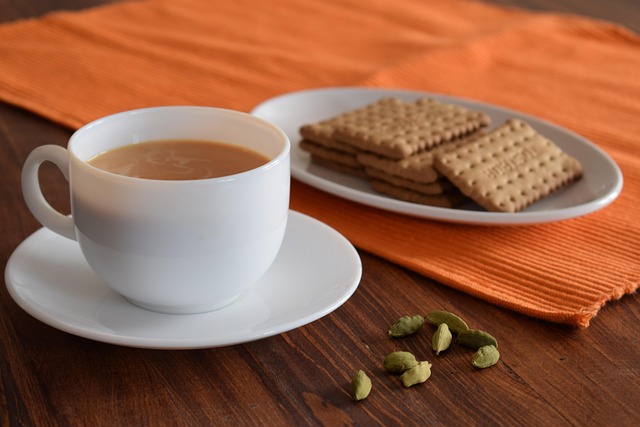
  • Digestives / Rich Tea Biscuits: These are designed to be dunked. The structural integrity of the biscuit holds up to the warm liquid.
  • Shortbread: The buttery richness of shortbread contrasts beautifully with the slight astringency of the tea.

2. Breakfast Pastries:

  • Scones: The classic pairing. Scones with clotted cream and jam require a tea that cuts through the heavy cream. A milky, sweet Assam is the perfect counterpoint.
  • Croissants: The sweetness of the tea complements the savory butter notes of the pastry.

3. Savory Snacks:

  • Cucumber Sandwiches: For a lighter afternoon tea.
  • Cheese on Toast: The saltiness of sharp cheddar cheese is balanced by the sweetness of the sugary tea.

4. Spicy Foods:

  • If you are drinking a sweet milky tea (like Chai), it pairs exceptionally well with spicy snacks like samosas or curry puffs. The casein in the milk helps dissolve capsaicin (the heat in chili), cooling your mouth, while the sugar balances the spice.

Q: Are there low-calorie alternatives?

If the calories in tea with milk and sugar are too high for your current diet goals (for example, if you drink 4-5 cups a day), you can modify the recipe without losing the essence of the drink.

  • Swap the Sugar: Use Stevia, Erythritol, or Monk Fruit sweetener. These have zero calories.
    • Result: Saves 16 calories per teaspoon.
  • Swap the Milk: Use Unsweetened Almond Milk or Cashew Milk.
    • Result: 30ml of Almond milk is only 4 calories, compared to 19 for whole milk.
  • The “Skinny” Cup:
    Black Tea + 30ml Unsweetened Almond Milk + Stevia = 4 Calories Total.
    Compare this to the 70 Calories of the rich whole milk/sugar version, and you can see how easy it is to manage your intake while still enjoying a “creamy” brew.

Conclusion

The calories in tea with milk and sugar are generally moderate, ranging from 30 to 70 calories per cup depending on your generosity with the spoon and the milk carton. While it is not a zero-calorie drink like plain water or black coffee, it offers nutritional benefits including calcium and antioxidants, along with significant psychological comfort.

By understanding the Nutrition Facts, selecting the right list of tea, and mastering how to make a tea properly, you can enjoy this timeless beverage as part of a healthy lifestyle. Whether you need a morning boost or a comforting evening ritual, sweet milky tea remains one of the world’s best uses of a kettle and a cup.

Remember, the best with pairing is simply a moment of peace or a chat with a friend. Enjoy your brew!

-->